

Every engagement follows a structured approach—from identifying the real problems on your line to delivering a stable, validated system your team can operate with confidence. No vaporware. No orphaned equipment. Just methodical progress from "we have problems" to measurable improvement.
Before recommending any equipment or approach, I need to understand what's actually happening on your line. This phase is about gathering facts—not assumptions. I conduct line walkthroughs, map your data flows, analyze defect patterns, and document the real constraints you're working within: available floor space, washdown requirements, line speeds, substrate variations, and compliance obligations.
With a clear picture of your environment and constraints, I develop a system architecture that addresses the root causes—not just the symptoms. This includes equipment layout, verification strategy, error-proofing mechanisms, and a detailed integration plan that accounts for your existing infrastructure. You'll see exactly how the solution fits your line before any equipment is ordered.
Implementation is where most projects go sideways. I stay engaged through installation support, acceptance testing, operator training, and launch stabilization to prevent the "day one" chaos that plagues poorly managed rollouts. The goal isn't just getting equipment running—it's ensuring your team can operate and maintain the system independently from the start.
A system that runs on day one isn't the same as a system that runs optimally on day 100. I offer ongoing optimization support based on real production data: uptime metrics, scan rate performance, consumables usage, and changeover times. This phase transforms a working system into a competitive advantage—squeezing out inefficiencies and adapting to changing requirements over time.
Rework. Mislabels. Slow changeovers. Unexplained downtime. These aren't just annoyances—they're profit killers hiding in plain sight. The engagements I take on are measured by outcomes: fewer defects, faster throughput, lower consumables cost, and systems your operators actually trust. Here's what that looks like in practice.
Vision verification and reject logic catch errors before they leave the line. No more customer complaints. No more chargebacks. No more recall anxiety.
Streamlined job setup, pre-validated label formats, and intuitive operator interfaces cut changeover time from hours to minutes.
Proper print quality, substrate matching, and barcode grading ensure your codes scan reliably across the entire supply chain.
Right-sized equipment, preventive maintenance planning, and operator training keep lines running instead of waiting for service calls.
Optimized ink usage, proper label stock selection, and reduced waste translate directly to bottom-line savings.
When your team understands the system and trusts the verification, they stop second-guessing and start producing.
Real feedback from real implementations
After implementing verification + reject logic, we reduced mislabeled cases to near zero and stopped shipping errors that were costing us key accounts. Operators finally trust the line—they're not manually double-checking every case anymore.
The line audit uncovered what we'd been missing for months: the real constraint wasn't the printer—it was label adhesion failing at speed and inconsistent print quality on certain substrates. The redesigned system improved our first-pass scan rates to over 99% and cut unplanned downtime in half.
We were about to sign with a single vendor for a turnkey system we didn't fully understand. Rob's independent assessment saved us from a six-figure mistake and got us a solution that actually fit our line constraints and growth plans.
Click to expand and see how these challenges get resolved
Wrong SKUs, missing lot codes, or unreadable barcodes causing chargebacks and complaints
Vision systems validate every label against job specifications and reject non-conforming product before it leaves the line
Hours of downtime between SKUs, manual adjustments, and trial-and-error label positioning
Stored configurations, quick-change components, and standardized procedures cut changeover time by 60-80%
Codes fading, smearing, or becoming unreadable—especially at higher line speeds
Proper ink chemistry, print head maintenance schedules, and environmental controls ensure consistent output
Especially in cold storage, high humidity, or on textured/curved surfaces
Material testing, application temperature optimization, and proper surface preparation eliminate adhesion failures
Manual workarounds, overridden alarms, and resistance to new equipment
Operators who understand the "why" behind the system become its strongest advocates instead of its biggest skeptics
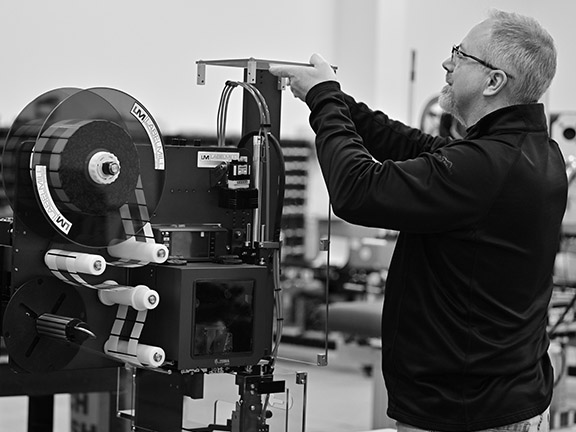
Every facility has different pain points and priorities. Whether you're chasing compliance, fighting chargebacks, or just trying to get through a shift without a fire drill, let's talk about what success looks like for your operation.